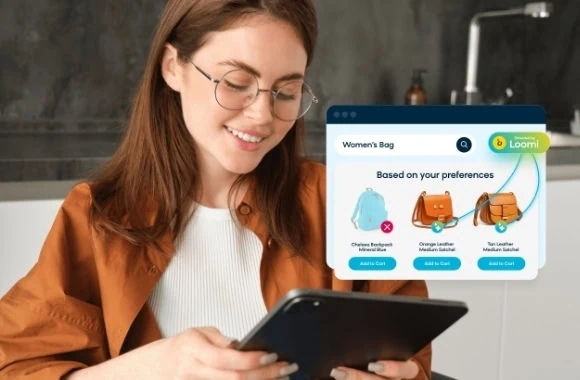

One of the biggest challenges for any business is getting customers to keep coming back. After all, customer loyalty is what keeps a business thriving. This is why brands offer customer loyalty programs — to maintain lasting relationships and convert them into repeat buyers.
However, many brands make a common mistake. They think traditional loyalty programs, like air miles or points cards, are enough. While these traditional programs worked in the past, modern consumers now expect much more from the companies they spend their money on.
According to Invoca’s Buyer Experience Benchmark report, 76% of customers are likely to disengage after just one bad experience. This illustrates the high standards of today’s consumers. They aren’t just looking for rewards — they want seamless, personalized, and engaging experiences that make them feel valued and understood.
That’s why more brands are opting for omnichannel loyalty programs. Unlike traditional loyalty programs, omnichannel loyalty programs create a seamless journey for customers, ensuring consistency and personalization at all touchpoints — online, in person, or mobile. This ensures you reinforce trust and satisfaction throughout your customer journey.
In this guide, you’ll discover our 10-step framework for building successful omnichannel loyalty programs, learn how to measure ROI effectively, and explore real-world examples from brands achieving impressive results.
What Is Omnichannel Loyalty?
An omnichannel loyalty program goes beyond traditional single-channel strategies by connecting with customers across multiple touchpoints. It allows you to meet your customers wherever they are, ensuring a consistent and personalized experience on every platform through unified commerce.
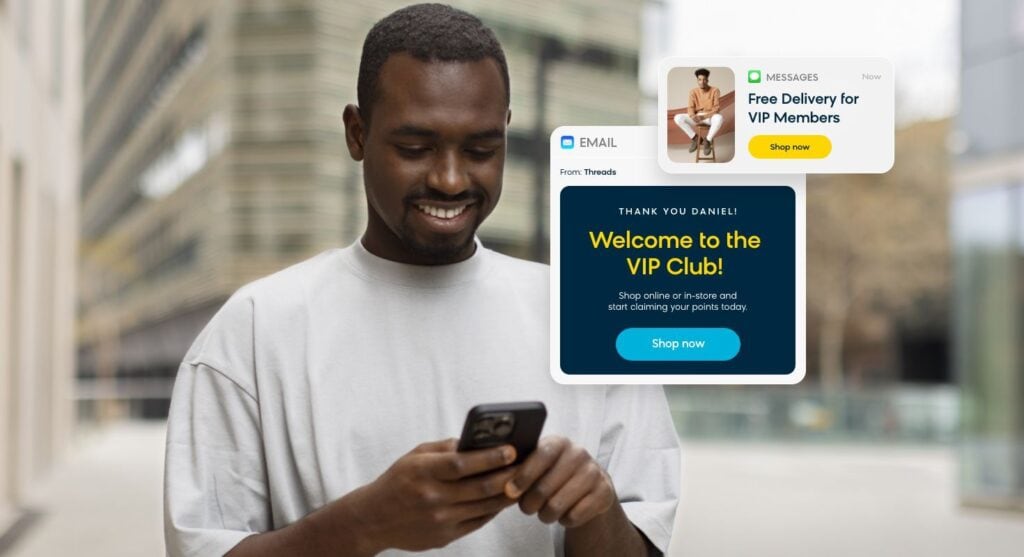
This means your customers can easily access and benefit from your loyalty program whether they’re shopping in-store, browsing online, or using a mobile app, making their experience more engaging and rewarding.
Imagine a customer who frequently shops at a clothing retailer. They use the retailer’s mobile app to browse new arrivals, receive personalized offers via email, and occasionally visit the physical store to try on clothes.
With an omnichannel loyalty program, customers can earn points for every purchase, whether online or in-store. When they use the app to make a purchase, their points are updated in real time, and they receive a push notification about an exclusive in-store event. At the store, the sales associate can access the customer’s profile, see past purchases, and offer personalized recommendations. Customers can also redeem their points for rewards through any channel, ensuring a consistent and rewarding shopping experience wherever they engage with the brand.
How Omnichannel Loyalty Differs from Multichannel Programs
While both approaches use multiple channels, the key difference lies in integration and consistency across the entire customer experience:
| Aspect | Multichannel Loyalty | Omnichannel Loyalty |
|---|---|---|
| Data Integration | Siloed channel data | Unified customer data platform (CDP) |
| Customer Experience | Channel-specific experiences | Seamless cross-channel experience |
| Channel Coordination | Independent channel operations | Coordinated channel strategy |
| Technology Requirements | Basic channel-specific tools | Advanced integration and POS integration |
| Business Outcomes | Channel-specific metrics | Holistic customer lifetime value |
Omnichannel loyalty programs create a single view of the customer across all touchpoints, enabling behavioral triggers and cross-channel personalization that multichannel approaches simply cannot deliver.
Benefits of Omnichannel Loyalty Programs
Here are the key benefits of implementing an omnichannel loyalty strategy:
Seamless Customer Interactions
An omnichannel loyalty strategy helps you deliver smooth and cohesive experiences across all touchpoints. Whether customers are shopping in-store, browsing online, or using a mobile app, they receive consistent and personalized interactions.
For example, customers can receive special discount offers via SMS and easily register for a VIP program using an in-store QR code. This seamless integration enhances the customer journey, making it more engaging.
Enhanced Personalization
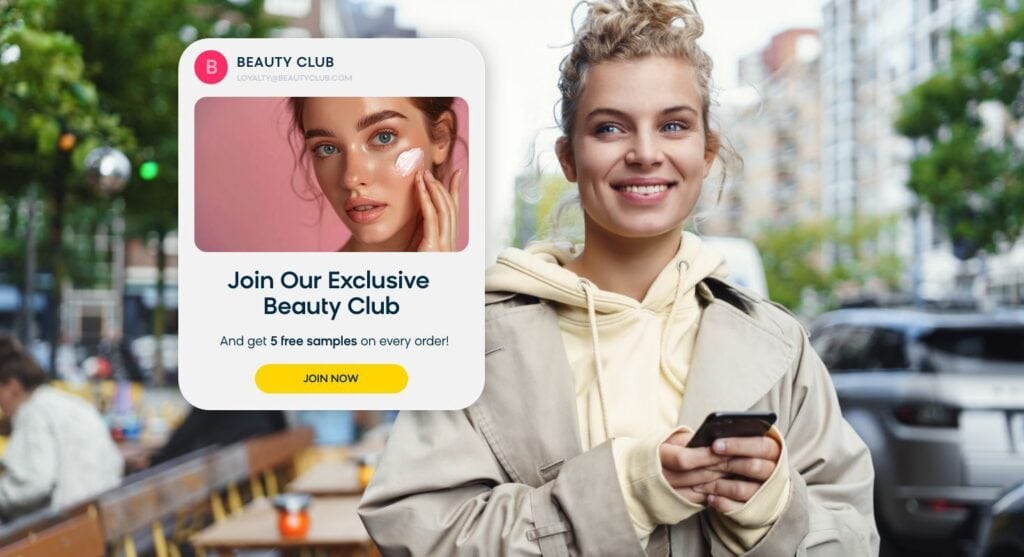
Personalization is a key way to engage customers and boost loyalty. An omnichannel approach allows you to tailor content and offers to individual customer preferences, creating stronger emotional connections with your customers and making them feel valued and understood. Omnichannel personalization enhances the customer experience and drives deeper brand loyalty.
Data-Driven Customer Insights
Omnichannel loyalty programs provide you with a wealth of data to learn more about customer behavior and preferences. By analyzing this data through your customer data platform (CDP), you can make informed decisions and create targeted marketing strategies.
According to Instapage research, 91% of customers are likelier to engage with brands offering relevant and customized recommendations. Additionally, 82% of customers are willing to share their data in exchange for personalized experiences, highlighting the importance of data-driven insights.
Higher Customer Lifetime Value
Omnichannel loyalty programs can boost customer lifetime value by rewarding customers throughout the shopping journey. This makes them feel appreciated and valued, which encourages repeat business and long-term loyalty.
Additionally, implementing tiered rewards programs that increase with higher engagement levels further boosts customer retention, ensuring loyal customers are consistently recognized and rewarded.
Improved Customer Acquisition
Providing a seamless experience across all channels helps you attract new customers and retain existing ones. When customers have a positive and cohesive experience with your brand, they are more likely to engage and stay loyal.
This consistency builds trust and reliability, making it easier for you to acquire new customers through word-of-mouth and positive referrals.
Operational Efficiency
As omnichannel loyalty programs streamline communication and operations across various channels, they also help make your workflows more efficient. By consolidating efforts into a single, cohesive strategy, you can reduce costs and improve your return on investment (ROI).
This efficiency allows for better resource allocation and more effective marketing campaigns.
Cross-Channel Synergy
An omnichannel strategy ensures that your customers can move seamlessly between different channels without interruptions. For example, a customer might start researching a product on a mobile app, continue exploring it on a website, and finalize the purchase in-store, with all the information and progress synced seamlessly.
This cross-channel synergy enhances the customer experience, allowing you to promote your products and services across different touchpoints and driving higher engagement and sales.
Want to deliver consistent experiences, across channels, for profitable revenue growth? Explore Bloomreach’s omnichannel orchestration solution.
Common Implementation Challenges
While omnichannel loyalty programs offer significant benefits, businesses often face several implementation challenges:
Data Silos and Customer Identity Resolution: Many businesses struggle with fragmented customer data across different systems, making it difficult to create a unified customer profile. Modern loyalty technology stacks address this through advanced data unification capabilities.
Technology Integration Complexity: Integrating existing POS systems, ecommerce platforms, and mobile apps requires sophisticated technical coordination. A CDP helps streamline these integrations by serving as a central hub.
Channel Consistency Maintenance: Ensuring consistent experiences across all touchpoints requires careful coordination and clear brand guidelines. Automated behavioral triggers can help maintain consistency without manual intervention.
ROI Measurement Difficulties: Tracking program performance across multiple channels presents attribution challenges. Advanced analytics platforms provide cross-channel visibility needed for accurate measurement.
Staff Training and Adoption: Getting team members across all channels comfortable with new systems and processes takes time and investment. However, modern platforms are designed with user-friendly interfaces to minimize learning curves.
These challenges are increasingly manageable with the right loyalty technology stack and strategic approach to implementation.
10 Steps To Set Up an Omnichannel Customer Loyalty Program
Ready to build your omnichannel loyalty program? Follow these 10 essential steps to create an effective program that drives customer retention and revenue growth:
Step 1: Define Program Objectives
Start by identifying the primary reasons for creating your omnichannel loyalty program. This step is crucial as it sets the direction for your entire program.
Do you want to retain customers, collect valuable data for personalized experiences, or gain a competitive edge? Knowing your goals will help you create a focused and effective loyalty program.
Here are some objectives to consider:
- Boosting customer loyalty and retention
- Increasing customer engagement and interaction
- Gathering data for insights and personalization
- Promoting cross-selling and upselling
- Encouraging specific customer behaviors (e.g., using a mobile app over in-store)
- Segmenting customers for targeted marketing
- Reducing operational costs
- Differentiating your brand in the market
Step 2: Understand Your Audience
Before launching an omnichannel loyalty program, you first need to develop a comprehensive understanding of your target audience. Creating detailed user personas can help you:
- Identify reward structures that best motivate customer engagement
- Determine the types of content your users prefer
- Map out which channels to include in your loyalty program based on where your audience is most active
Step 3: Choose the Right Loyalty Model
There are various types of loyalty programs, each with a different approach and purpose. In this step, we’ll go back to the first step in our process, which is figuring out our “why.”
For instance, paid membership programs provide exclusive benefits for a fee, appealing to your most loyal customers. Value-based programs align rewards with customer’s values, such as sustainability initiatives. Points-based loyalty systems allow customers to accumulate and redeem rewards over time.
It’s important to choose a rewards program that best fits your customer base and their behavior, as well as the nature of your business and what you’re selling.
Step 4: Select Loyalty Program Features
Decide on the specific features of your loyalty program that will support your goals. These features might include loyalty points accumulation and redemption, tiered rewards, personalized offers, and special access to events or products.
For example, a points-based system could allow customers to earn points for every purchase, which they can redeem for discounts or free products. Personalized offers can be based on past purchase behavior, making customers feel valued and understood. Ensure these features are aligned with your customer’s preferences and enhance their overall experience, making the program appealing and worthwhile.
Step 5: Integrate Channels and Systems
Ensure your loyalty program is seamlessly integrated across all touchpoints. This means customers should have a consistent experience whether they’re shopping in-store, online, or through a mobile app.
Integration includes linking your loyalty program with in-store systems, POS, mobile apps, online platforms, social media, email marketing, SMS, and chatbots.
For instance, customers should be able to earn and redeem points online and in-store without hassle.
Step 6: Choose Loyalty Program Software
Choosing the right loyalty program software is crucial because you don’t want to complicate things with multiple apps and integrations. An ideal solution should allow you to manage your data and all your marketing channels using a single customer view.
Bloomreach offers a unified engagement platform that allows you to create email, SMS, mobile messages, and more. It also helps you design sophisticated omnichannel journeys using the easiest drag-and-drop orchestration tool on the market. Only Bloomreach can seamlessly execute any use case you dream up.

Step 7: Launch and Promote the Program
Execute a well-planned launch strategy to introduce your loyalty program. Use a variety of promotional channels to maximize reach and impact.
Email newsletters can inform existing customers about the program, social media campaigns and ads can attract new customers, and in-store events and promotions can create excitement. Your website should prominently feature information about the loyalty program, and staff should be trained to assist customers with any questions or issues.
A successful launch generates awareness and enthusiasm, encouraging customers to sign up and start participating.
Step 8: Monitor and Measure Performance
Regularly analyze the performance of your loyalty program to ensure it meets your objectives. Collect and study customer data to assess engagement, satisfaction, and the impact on sales and retention.
For example, you can track how many customers are participating, how often they redeem rewards, and how the program affects their purchasing behavior. Use this data to identify areas for improvement and make data-driven decisions to enhance the program.
A centralized database, such as a customer relationship management (CRM) system, can help manage and integrate this data, providing valuable insights to optimize your loyalty program.

Step 9: Provide Ongoing Support
Maintain continuous support for your loyalty program to keep it relevant and effective. This includes regularly updating the program based on customer feedback, promptly addressing inquiries and concerns, and offering your staff training and resources.
For instance, you might update the reward structure to include new and exciting rewards or enhance the user interface of your loyalty app for a better user experience.
Continuous promotion through various channels, such as email reminders and social media posts, keeps the program at the top of customers’ minds. Ongoing support ensures your program remains engaging and valuable, fostering long-term loyalty and satisfaction.
Step 10: Optimize and Scale
As your loyalty program matures, continuously optimize based on performance data and customer input. Look for opportunities to expand successful program elements and eliminate underperforming features.
Consider scaling your program by adding new channels, introducing advanced personalization features, or expanding to new customer segments. Regular optimization ensures your omnichannel loyalty program continues driving results as your business grows.
How To Measure ROI of Omnichannel Loyalty Programs
Measuring the return on investment for omnichannel loyalty programs requires tracking both traditional and cross-channel metrics. Here’s how to effectively measure your program’s success:
Key Performance Indicators
Track these essential metrics to gauge your program’s effectiveness:
- Customer lifetime value (CLTV) increase: According to McKinsey research, loyalty program members generate 12-18% more incremental revenue growth per year than non-members
- Repeat purchase rate: Industry data shows healthy retail programs achieve 20-30%+ repeat rates, with top performers in subscription services reaching 50%+
- Cross-channel engagement: Measure customer activity across all touchpoints
- Average order value: Top-performing loyalty programs boost revenue from customers who redeem points by 15-25% annually
- Program participation rate: Retail sector programs often see enrollment rates between 30-50% of total customers
- Points redemption rate: Industry experts recommend striving for 85-90% of points getting redeemed for optimal program health
Benchmarking Strategies
Compare your program performance against industry standards and competitors. McKinsey research shows top-performing loyalty programs can increase revenue from customers who redeem points by 15-25% annually, while travel and hospitality industries can achieve similar improvements.
Set realistic benchmarks based on your industry and regularly assess performance against these goals.
Attribution Challenges
Tracking customer journeys across channels requires sophisticated analytics. Modern customer data platforms help attribute conversions and engagement to specific loyalty program touchpoints, providing clearer ROI visibility.
Implement cross-channel tracking to understand how customers interact with your program across different touchpoints and which channels drive the highest value.
Technology Requirements for Measurement
Proper measurement requires:
- Integrated analytics across all channels
- Real-time data processing capabilities
- Advanced reporting dashboards
- Attribution modeling that connects online and offline customer behavior
Investing in comprehensive measurement tools is essential for optimizing program performance and demonstrating business value to stakeholders.
Real-World Omnichannel Loyalty Program Examples
It’s easy to talk about loyalty programs in the abstract, but it helps to see how other brands have successfully implemented their own programs. Here are two compelling examples of omnichannel loyalty success:
Revolution Beauty: 20% Increase in Loyalty Redemptions
Revolution Beauty, a UK-based company known for its cruelty-free beauty products across 13 brands, aimed to boost customer retention and engagement. Despite the initial success of its Rev Rewards loyalty program, the brand needed a more dynamic approach.
Partnering with Bloomreach, Revolution Beauty developed a data-driven omnichannel strategy. This strategy targeted loyal customers with a personalized direct mail campaign during the peak holiday season reminding them of their points balance.
Each promotion was tailored to the customer’s unique points total. When customers visited Revolution Beauty’s website after receiving the direct mail, they saw a personalized pop-up highlighting their rewards. This seamless integration provided a consistent and engaging experience.
The results were impressive. This loyalty campaign, which offered no additional discounts beyond the existing points, became the company’s best-performing direct mail campaign, resulting in a 20% increase in loyalty redemptions.

Popeyes UK: 3X Increase in Repeat Visits
Popeyes UK, the fastest-growing quick-service restaurant in the UK, faced challenges in integrating offline data from kiosks, tills, and surveys into its loyalty program due to having separate systems for data management and customer communication. The company turned to Bloomreach Engagement for a solution.
With its all-in-one data management, single customer view, and marketing automation capabilities, Bloomreach helped Popeyes UK unify its online and offline customer data.
The subsequent “Winner, Winner, Chicken Spinner” loyalty program allowed customers who ordered via kiosk, till (by scanning a QR code on their receipt), or online to participate. After purchase, customers could “spin the wheel” on Popeyes’ mobile website, with prizes including a chicken sandwich, an entire meal, and even free chicken sandwiches for a year.
By integrating its offline customer data into Bloomreach Engagement, Popeyes UK could tailor rewards, discounts, and other loyalty incentives more effectively. As a result, participants in the loyalty program were three times more likely to make a repeat visit within 30 days compared to non-participants.
Transform Your Customer Loyalty With Bloomreach
Omnichannel loyalty programs are an essential piece in the modern-day customer loyalty puzzle. They go beyond traditional approaches to provide the seamless, personalized, and engaging experiences that modern consumers expect.
Bloomreach Engagement‘s all-in-one platform gives you everything you need to deliver truly engaging loyalty programs, build a personalized customer retention strategy, and so much more. Powered by Loomi AI, Bloomreach’s solutions can deliver the exact right message to the right customers at the right time — every time.
The fact is, modern businesses need an AI-powered marketing strategy to gain and maintain customer loyalty. Retaining an audience is now an around-the-clock job for brands, and with the right tools and tactics, you can foster long-lasting and revenue-driving relationships with your customers that lead to real success.
If you’re ready to revamp your customer loyalty and retention efforts for today’s customer needs, check out our Winning Playbook for the New Era of Customer Loyalty. Inside you’ll find all the must-have knowledge you need to succeed in the changing loyalty landscape — the reasons for rising customer expectations, the tools you need to meet them, and the strategies it takes to compete in the modern age.
Omnichannel Loyalty Program FAQs
What is an omnichannel loyalty program?
An omnichannel loyalty program connects customer experiences across all touchpoints – online, in-store, mobile, and social media – using unified data and consistent rewards. Unlike traditional programs, it provides seamless point earning and redemption across every channel.
What technology do you need for omnichannel loyalty?
Key technology requirements include a customer data platform (CDP), integrated POS systems, mobile app capabilities, email and SMS marketing tools, and analytics dashboards. Modern platforms like Bloomreach provide unified solutions to minimize complexity.
How long does implementation typically take?
Most omnichannel loyalty program implementations take 3-6 months, depending on integration complexity and number of channels. Simple programs can launch in 6-8 weeks, while enterprise solutions may require 6-12 months.
What’s the difference between omnichannel and multichannel loyalty?
Multichannel loyalty operates separate programs across different channels, while omnichannel loyalty creates one unified experience. Omnichannel programs share customer data and rewards seamlessly across all touchpoints, providing superior customer experience.
How do you measure omnichannel loyalty program success?
Success metrics include customer lifetime value increase, repeat purchase rates, cross-channel engagement levels, and overall program ROI. Industry benchmarks show top-performing programs achieve 15-25% revenue improvement from active members and healthy retail programs see 20-30%+ member repeat rates.