Agentic shopping just got a common language, and that’s great news for anyone who cares about product discovery. Since Google introduced the Universal Commerce Protocol (UCP) at NRF in January, UCP has added cart support and catalog access, and its Tech Council has grown to include Amazon, Meta, Microsoft, Salesforce, and Stripe alongside Google, Shopify, Etsy, Target, and Wayfair.
For Bloomreach, the most exciting part of UCP isn’t checkout. It’s catalog search and lookup, because that is where shoppers decide what to buy. Through Loomi Connect, we’re bringing Bloomreach’s search and discovery to every agent that speaks UCP.
Why UCP is Good for Brands and Shoppers
Before UCP, every AI assistant needed its own integration with every store. UCP replaces that with one open standard for how agents discover what a merchant supports, search and look up products, build a cart, check out, and track an order.
That’s good for everyone in the chain:
- Shoppers get agents that can actually complete a purchase, not just point to a link
- Brands integrate once and show up across many agent surfaces
- Agent builders get a predictable shape for product data and actions, so they can focus on the experience
With that many major players behind it, UCP is on track to become the default way agents shop. That makes it worth getting right.
Discovery Is Where Agentic Shopping Is Won
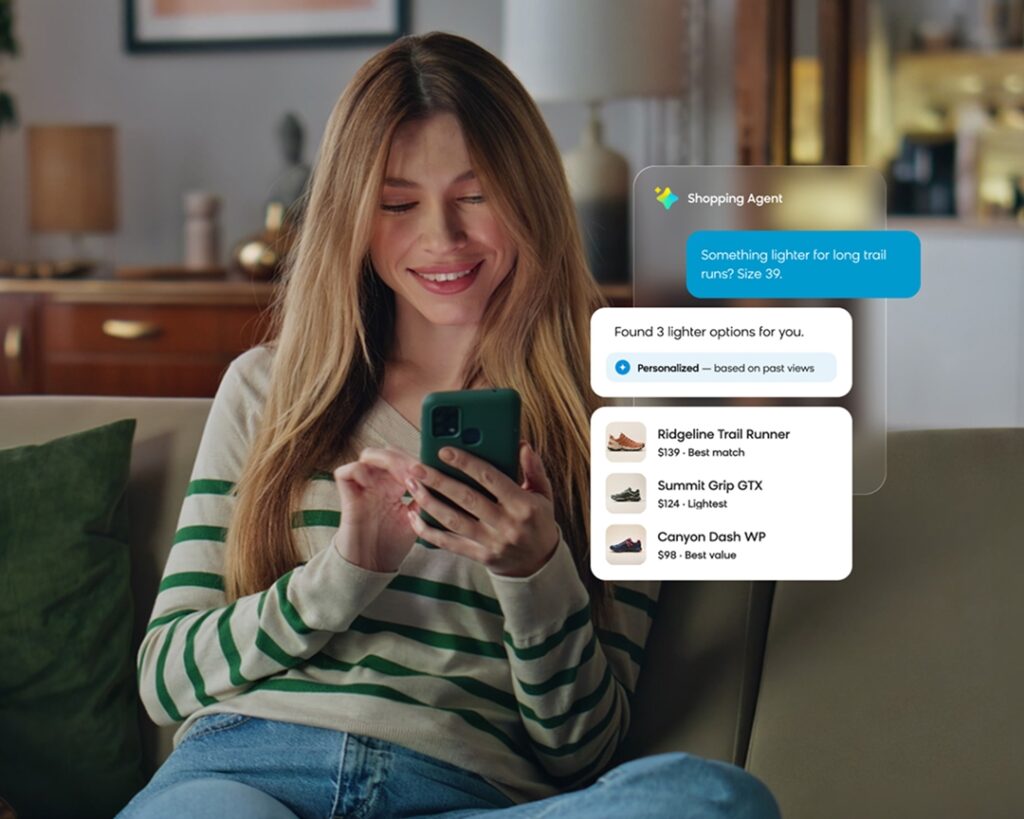
In UCP, the catalog.search and catalog.lookup capabilities are how agents find products and learn about them. They’re the agentic equivalent of the search results page and the product page.
On a website, the search results page is one of the most carefully tuned surfaces a retailer has: relevance, merchandising rules, boosts and buries, inventory awareness, personalization, etc. A ranked list of products isn’t a data dump — it’s a set of business decisions about what to show first.
Agents raise the stakes. An agent usually summarizes a handful of results rather than showing a full page, so the top few products often become the whole answer. The quality of the search response behind a UCP call directly shapes what the shopper sees and buys.
What Loomi Connect Brings to UCP
Loomi Connect is how agents and developers build on Bloomreach: MCP, APIs, and now UCP. For search and discovery, it means a UCP agent gets Bloomreach-quality answers instead of raw catalog rows:
- Curated, ranked results. UCP catalog search returns products already shaped by the retailer’s relevance tuning, merchandising rules, and product intelligence. The agent starts from a commercially optimized answer, not catalog noise.
- One brain across every channel. The same search engine powers the website, the app, and now agents. Do the merchandising work once, and it’ll show up everywhere, so the brand experience stays consistent wherever the shopper starts.
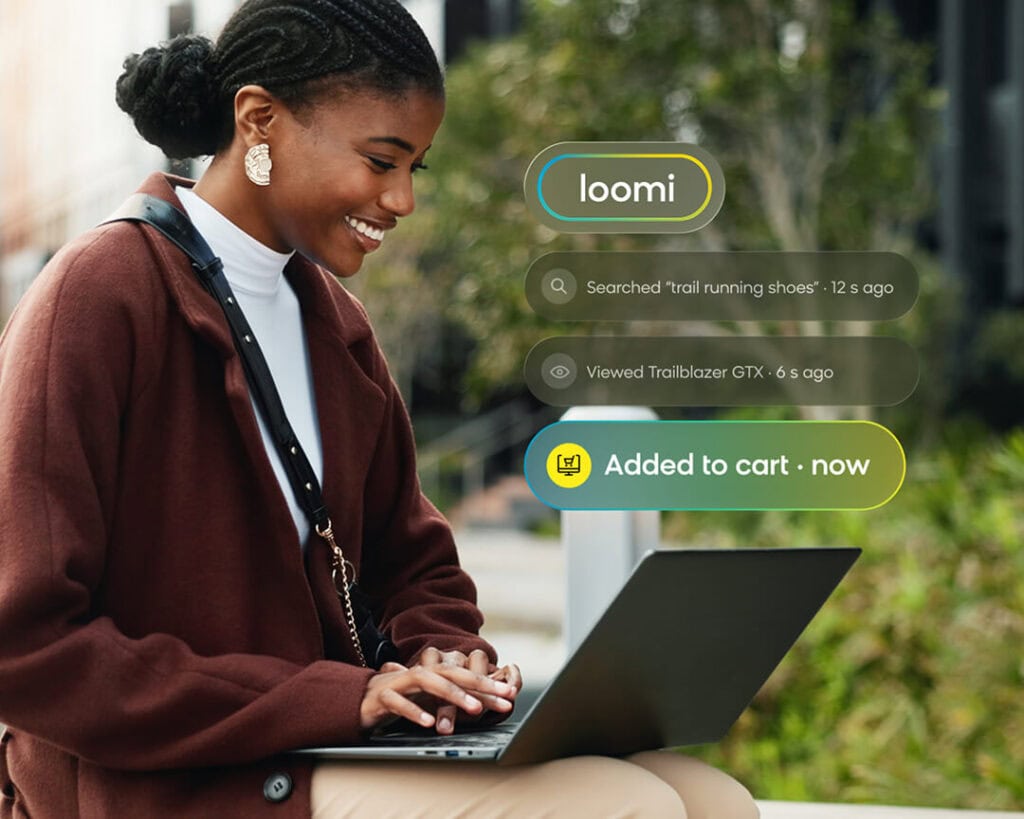
- Context that improves results. When merchants pass a stable shopper identifier with UCP requests, Bloomreach can apply what it knows about that shopper’s searches, views, and purchases, so results get more relevant over time.
- A learning loop that keeps working. Agent-driven searches, product views, add-to-carts, and checkouts feed the same analytics that tune search today, leading to performance continuously improving as agent traffic grows.
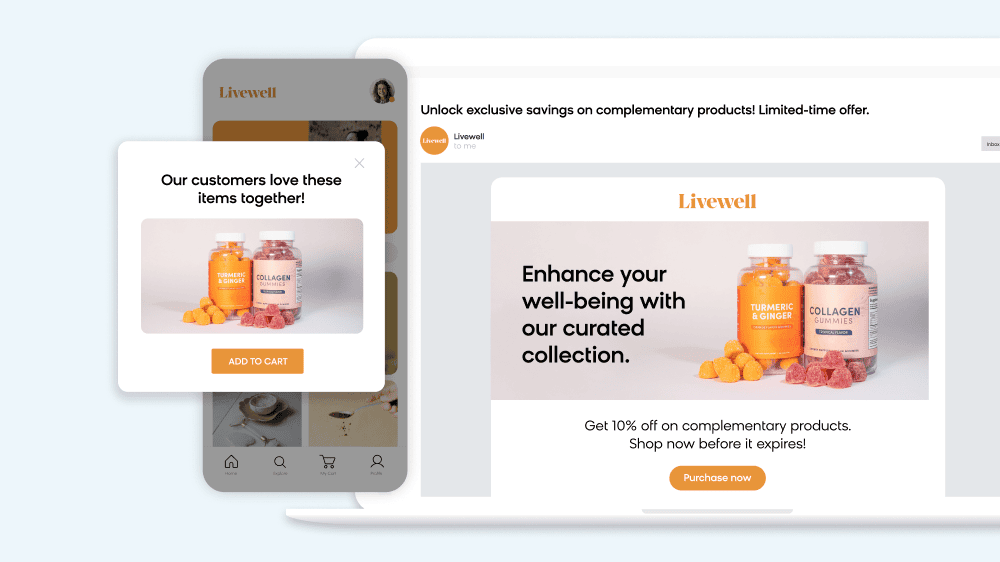
And this is just the start. Recommendations, the “what goes with this” layer that turns a single answer into a fuller basket, are a natural next step for agentic discovery.
How It Works
UCP is modular by design, so each capability can be served by the system that does it best. Bloomreach handles discovery, while the commerce platform keeps handling the transaction.
- The agent calls the merchant’s UCP endpoint, exactly as it would for any UCP merchant.
- Search and lookup route to Bloomreach. Loomi Connect serves UCP-compliant catalog.search and catalog.lookup responses from the merchant’s search configuration in Bloomreach.
- Cart, checkout, and orders stay on the commerce platform, with no change to how the merchant transacts.
- Cart and checkout events are shared with Bloomreach, so personalization and analytics keep learning from agent journeys.
We’ve built this as a thin UCP layer over our existing search delivery, so we can keep pace as the protocol evolves without changing the engine underneath. REST endpoints come first, with MCP alongside, so we meet agents wherever they connect. We also want to make adoption as straightforward as possible, so clear, tested routing guidance is part of the product.
Getting Ready
For Bloomreach customers, follow these three steps to set up a strong agentic discovery experience:
- Route UCP search and lookup to Bloomreach, so agents get the same tuned results your site does.
- Pass a stable shopper identifier with agent requests, so results can be personalized across conversations.
- Share cart and checkout events, so search keeps learning from what agent-led shoppers actually buy.
UCP gives agents a common way to shop. Loomi Connect helps them find the right thing. Together, they bring the discovery experience brands have built on the web into every agent their customers use. Learn more about Loomi Connect today.