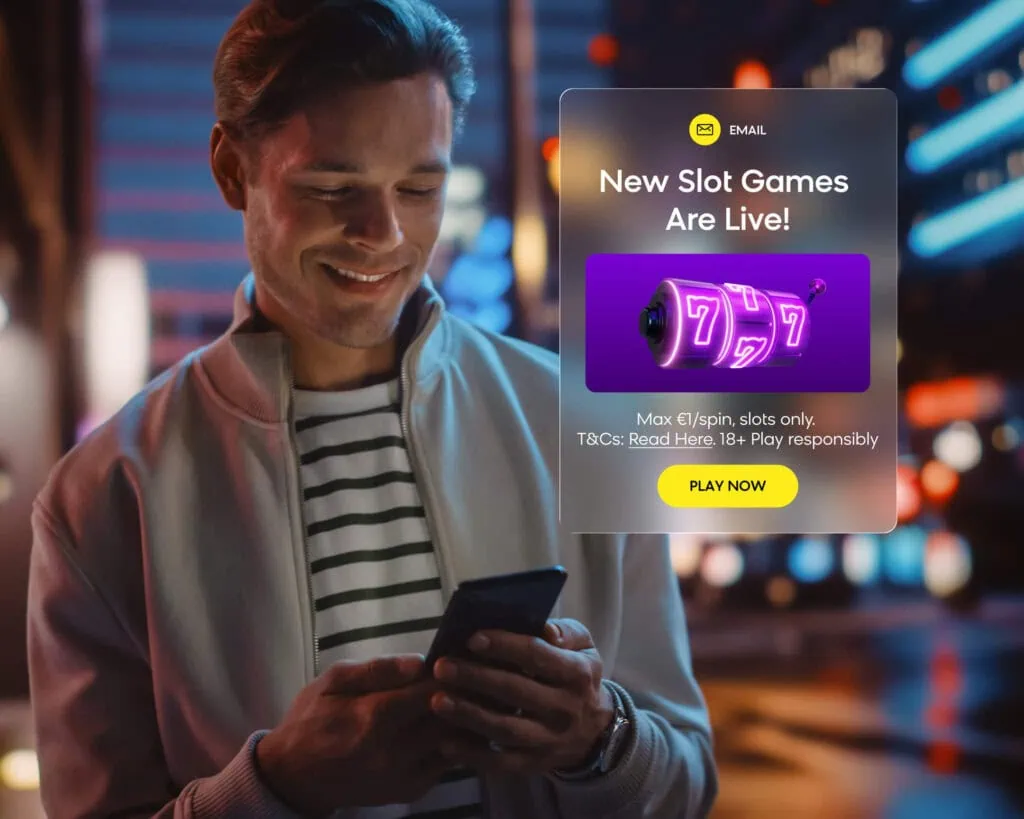
The UK Remote Gaming Duty is set to jump from 21% to 40% in April — and that’s a big problem for gaming operators everywhere. This isn’t a small tweak to the tax code, but rather a structural shift in the entire economics of running an online gaming operation.
To compound matters, the increase is arriving as acquisition costs are climbing, players are becoming more demanding, and regulatory scrutiny is tightening across every major market.
So far, the industry conversation has largely centered on compliance (i.e., what operators must do to stay on the right side of the regulator). That’s a necessary conversation, but there’s a harder one that needs to happen among commercial and CRM teams right now. After all, the duty change doesn’t just affect what operators owe the government — it changes the entire logic of how marketing spend works.
The Math Has Changed
Here’s the detail that tends to get lost in the headlines: remote gaming duty is levied on spend, not on net gaming revenue. That means every pound an operator invests in bonuses, free bets, and promotional generosity is subject to tax — and that tax just doubled.
That means a £1M generosity budget that previously attracted £210K in tax now attracts £400K — the same budget now costs nearly £200K more to deploy before a single customer has been incentivized.
The first instinct for many operators is to scale down on generosity spend. That’s a rational response, but the problem is you can’t scale back spending and also expect the same commercial outcomes. The operators that navigate this shift successfully won’t necessarily spend less money, but will be able to get more out of every pound they do spend.
The Problem With Blanket Campaigns
Operators used to fall back on blanket incentive campaigns, but these broad-brush, segment-level promotions were never actually efficient — they just worked because the margin was healthy enough to absorb the waste. That safety net is now gone.
Nowadays, the average iGaming customer has 2-3 operator accounts on their phone. So, on a Saturday afternoon before a big match, a meaningful portion of your player base is simply waiting to see which operator sends the most attractive offer before deciding where to place their bet. In other words, loyalty has always been more fragile than operators would like to admit.
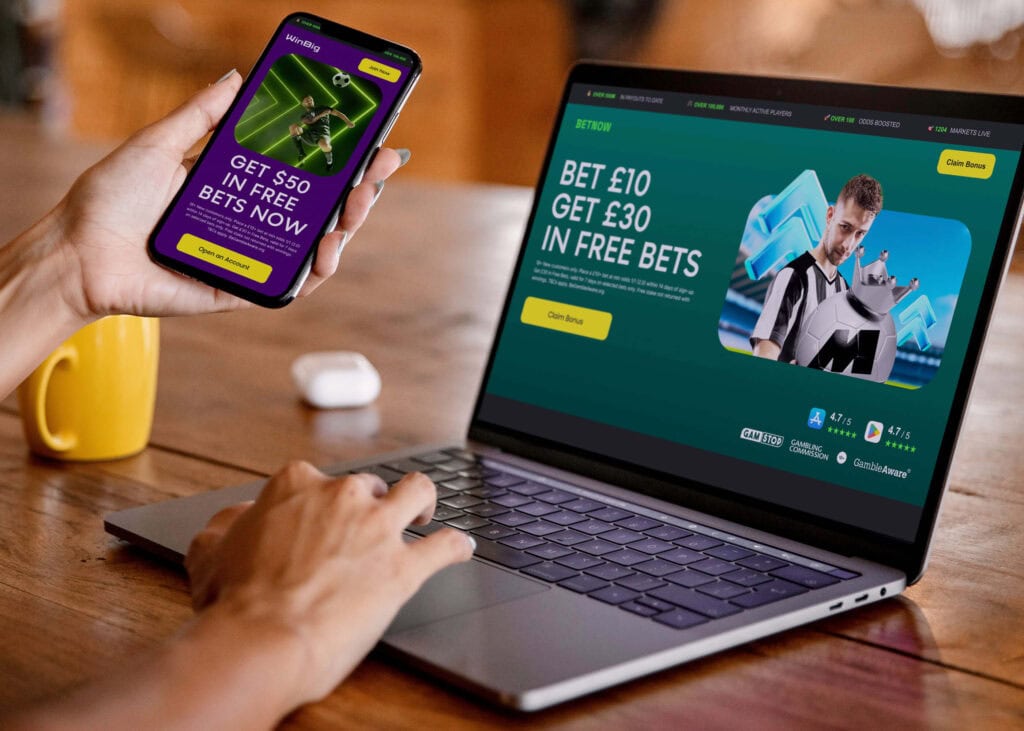
This is the hard truth that rising taxes are shining a light on — broad campaigns were never an effective CRM strategy, but rather a volume play. That volume play only works when the cost of reaching the wrong customers — those who would have come back anyway, those who will churn regardless, and those who are hunting bonuses across five different apps — is low enough to absorb.
The Efficiency Gap
Adding to the tax problem is the challenge around efficiency and timing. For many operators, the break-even point is the second or third deposit, and that’s becoming harder to reach. Acquisition costs in regulated markets are rising, there are tighter regulatory constraints around welcome offers, and player expectations around bonuses and personalization are higher. This means that players who churn after their first deposit now lead to an even larger loss for the operator.
This is where the efficiency gap is: on the one hand, the cost of acquiring and retaining a player is rising; on the other hand, the margin available to fund that activity is shrinking. The gap between these two lines is where CRM teams are going to win or lose in 2026 (and beyond).
There is no operational fix for this gap, no new hire or campaign calendar reorganization that will close it. The only way through is to get significantly better at deciding who to engage, how to engage them, and when — and to do that in real time, not overnight.
What Precision Marketing Actually Looks Like
To close the efficiency gap, you need to stop using blanket campaigns and start turning to precision marketing. Here are some key ways to shift your strategy toward a precision-focused one.
Move From Broad Segments to Segments of One
Treating customers in broad cohorts — welcome, onboarding, at-risk, lapsed — is a starting point, not an endpoint. Every player has a distinct behavioral profile, a distinct tolerance for loss, and a distinct relationship with different game types and bet categories. You need to be able to build and act on individual profiles instead of group approximations if you want to drive results.
Predict Who Actually Needs an Offer
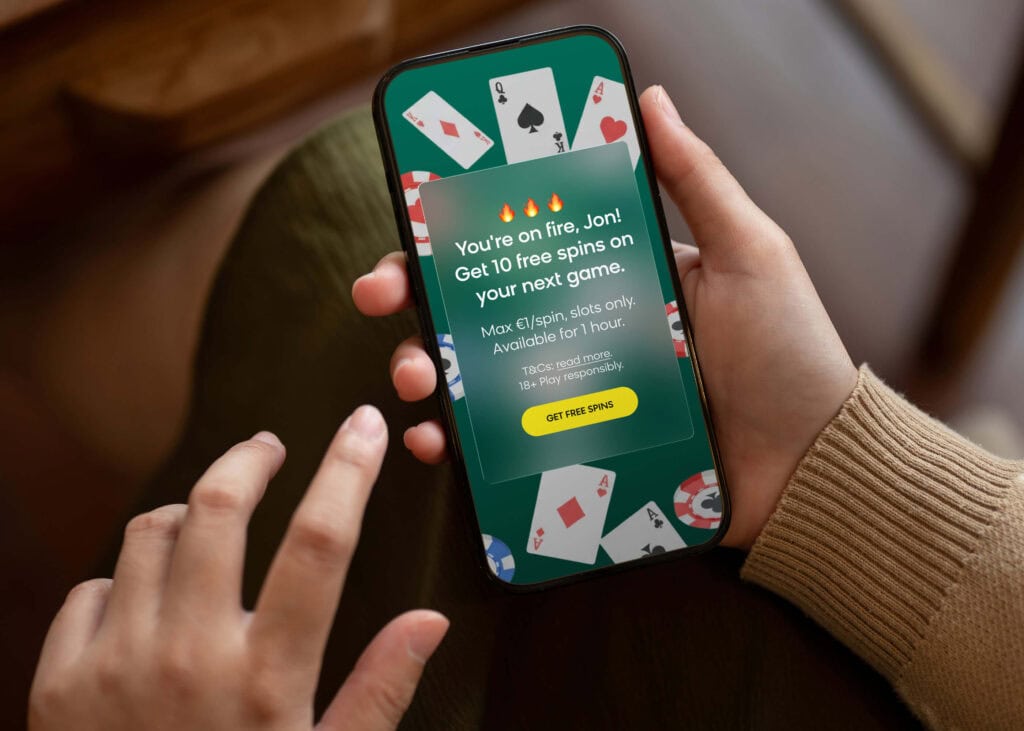
This is one of the most important capabilities operators should prioritize right now. Identifying customers who are likely to reengage without incentivization (and then suppressing generosity spend for that audience) is pure margin recovery. Fortunately, the data to do this already exists within your platform — it’s just a matter of making it actionable in real time.
Act on In-Session Behavior
What a player is doing right now — which games they’re browsing, how long they’re hovering, how many consecutive losses they’ve taken in the last ten minutes — is exponentially more valuable for decisioning than what they did yesterday. The window to influence a player’s behavior in a session is measured in seconds, and batch-based systems simply aren’t designed to operate in that timeframe.
Build Guardrails That Protect Both Your Players and Your Brand
Automated, AI-driven decisioning is only as good as the constraints placed around it. You need to implement guardrails like well-defined caps on generosity spend, triggers that pause incentivization when a player shows signs of distress, and human oversight of high-stakes decisions.

Understand Where Batch Sends Work
Importantly, not every campaign should be sent in real time. Product launches, newsletters, and broad editorial content still have a role in your marketing strategy. The shift isn’t about completely eliminating batch sends, but about understanding which decisions require immediacy and building the capabilities to act on those in the moment.
Close the Efficiency Gap With Bloomreach
The operators who come out of the duty increase in a stronger competitive position won’t be those who simply cut their promotional budgets. They’ll be the ones who use this moment of constraint as the forcing function for a fundamental upgrade in how they operate.
That’s where Bloomreach can help. With Loomi AI, our agentic platform for personalization, iGaming operators can get unified player profiles that they can act on in real time. Loomi AI’s predictive capabilities understand player intent, resulting in targeted segments that receive truly personalized experiences. This is crucial for helping your brand drive greater GGR/ARPU, higher retention, and a reduction in player churn
In a world with a 40% iGaming duty, the margin to sustain inefficiency is gone. You need a platform that can give you the precision you need to engage with each player at the exact right moment. Learn more about revamping your retention strategy in our iGaming playbook. Or, schedule a demo to see Loomi AI in action.