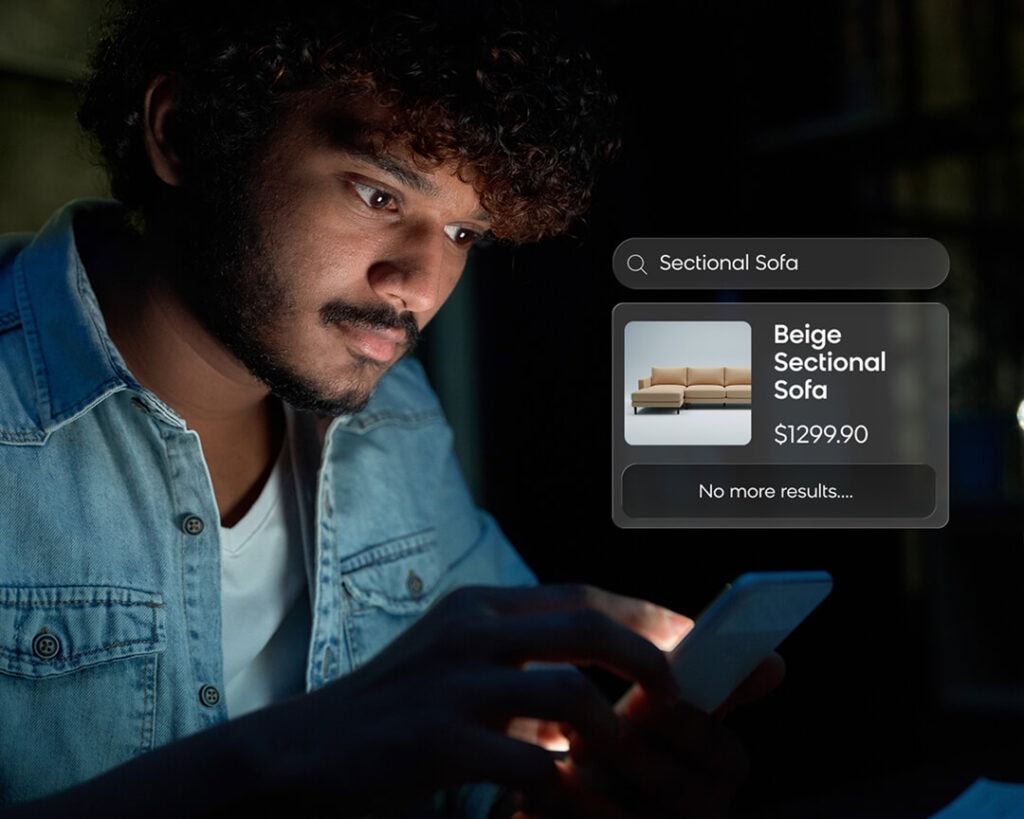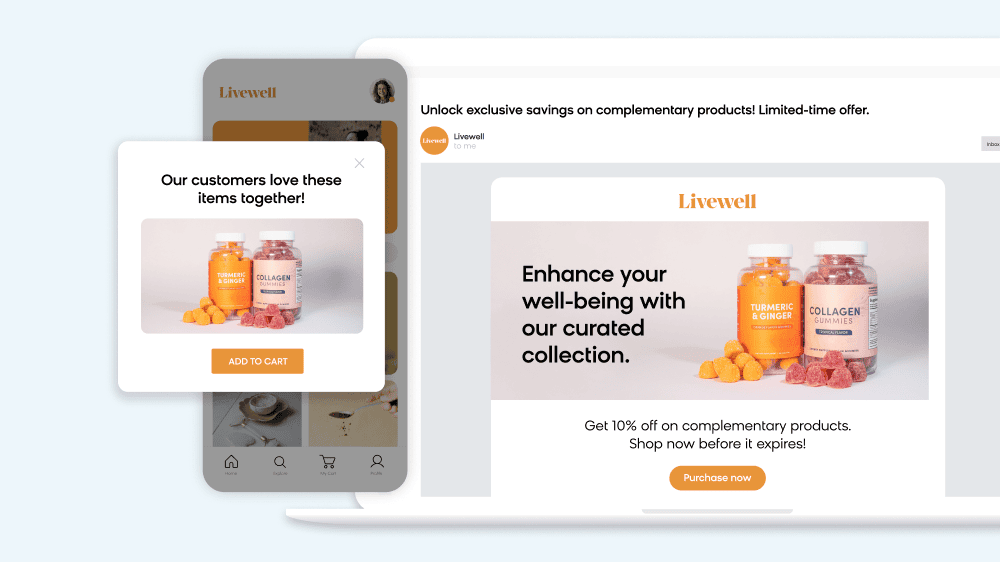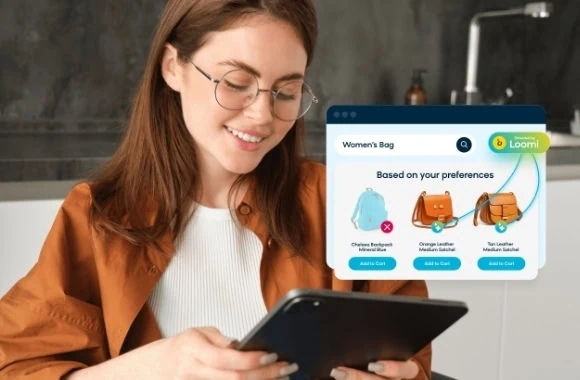

Every year, brands pour sizable budgets into social media and influencer marketing campaigns. They focus on follower counts, engagement rates, and the perfect creative brief. They track every click with meticulous UTM tagging.
But if a user engages with your campaign and clicks through to a generic homepage, all that carefully crafted momentum evaporates.
The problem isn’t the campaign. It’s what happens after the click.
Because while social media and influencer marketing are core growth channels, the journey can’t stop at acquisition. Continuing the story on-site is just as important — and with the right tools, your campaigns can pave the way for valuable, long-lasting customer relationships. Here’s how.

The Post-Click Gap in Social and Influencer Marketing
Influencer marketing spend is surging, and for good reason. Creators cultivate credibility, context, and highly engaged audiences that paid ads increasingly struggle to reach.
But there’s a crucial step in this strategy that many brands overlook: the experience a visitor gets on your site after clicking a social media link. If it leads them to a generic homepage, the reason they engaged is likely nowhere to be found.
Consider this from the customer perspective: They watch a creator they trust explain why they love a specific product. They’re curious, interested, and primed to buy. Then they click — and land on a homepage promoting a seasonal sale that has nothing to do with why they came to your site.
That disconnect breaks the storytelling arc. It introduces friction exactly when momentum is highest, and leads to predictable results: elevated bounce rates, lower conversion, and ROAS that doesn’t reflect the quality of the influencer partnership.
The fix isn’t a bigger creative budget. It’s connecting what happens before the click to what happens after it.

UTMs Are the Missing Link Between Social and On-Site Experiences
If you run any kind of paid social or influencer program, you’re already tagging your URLs with UTM parameters. These small snippets — utm_source, utm_medium, utm_campaign, utm_content — tell your analytics platform where traffic came from and which campaign drove it.
What most marketers don’t realize is that UTMs aren’t just reporting tools. They’re real-time intent signals sitting right there in the URL.
When someone arrives on your site from a social campaign, that UTM parameter can tell you:
- Who sent them — which creator, channel, or campaign
- What they just saw — the content or product promoted
- What context they’re in — whether they’re in a TikTok beauty audience, part of an Instagram fitness community, or looking at YouTube gear reviews
That’s rich targeting information, available for every visitor — even anonymous ones with no prior session history. You don’t need their email. You don’t need a login. The UTM tells you everything you need to start personalizing.
All you need is the right platform to activate those insights with relevant, real-time experiences.
How Loomi AI Uses UTMs to Personalize On-Site Journeys
Bloomreach’s agentic personalization platform, Loomi AI, reads inbound UTM parameters the moment a session begins and uses them as targeting rules to trigger personalized web experiences.
This works even for completely unknown visitors. No cookie match required, no loyalty account, no prior purchase history. The UTM alone is enough to trigger a tailored on-site experience with dynamic content, including:
Personalized hero banners: Instead of a generic homepage, the visitor sees imagery and messaging that directly mirrors what they just engaged with on social.
Influencer-specific offers: Each creator can have their own promotion, bundle, or landing experience baked into the UTM logic. A dedicated discount code or curated product set surfaces automatically for their audience, making the creator feel like a true extension of your brand.
Personalized product recommendations: Rather than surfacing your best-sellers globally, Loomi AI can prioritize the specific category or product line the influencer featured, keeping the visitor’s attention focused on the reason they clicked.
All of this website personalization is done in real time by Loomi AI, with rules that marketers can configure and adjust without engineering support. When a campaign launches or a new creator partnership kicks off, spinning up a tailored on-site experience takes minutes, not sprints.
Going Further With Identity Resolution
While UTM-based personalization can tailor journeys for anonymous visitors, identity resolution providers such as Epsilon’s COREid and Merkle’s Merkury can help recognize unknown users and optimize their experience.
Integrating directly with Loomi AI, these partners cross-reference anonymous visitors against large-scale identity graphs, surfacing demographic and behavioral attributes like age, gender, and location in real time. That signal flows straight into your personalization logic, letting Loomi AI build even more relevant on-site experiences without adding any friction to the visitor’s journey.
This level of identity enrichment isn’t essential for every brand. But for those investing heavily in influencer marketing, pairing UTM context with identity resolution creates a deeper level of personalization from the very first session.
UTM-Based Personalization in Practice
To fully understand how UTM codes power real-time personalization on-site, let’s walk through a scenario for a skincare brand running two simultaneous influencer campaigns.
Influencer Jane is a TikTok creator focused on anti-aging skincare. Her campaign drives traffic with the UTM: ?utm_source=tiktok&utm_campaign=influencer_jane_wrinkle_cream
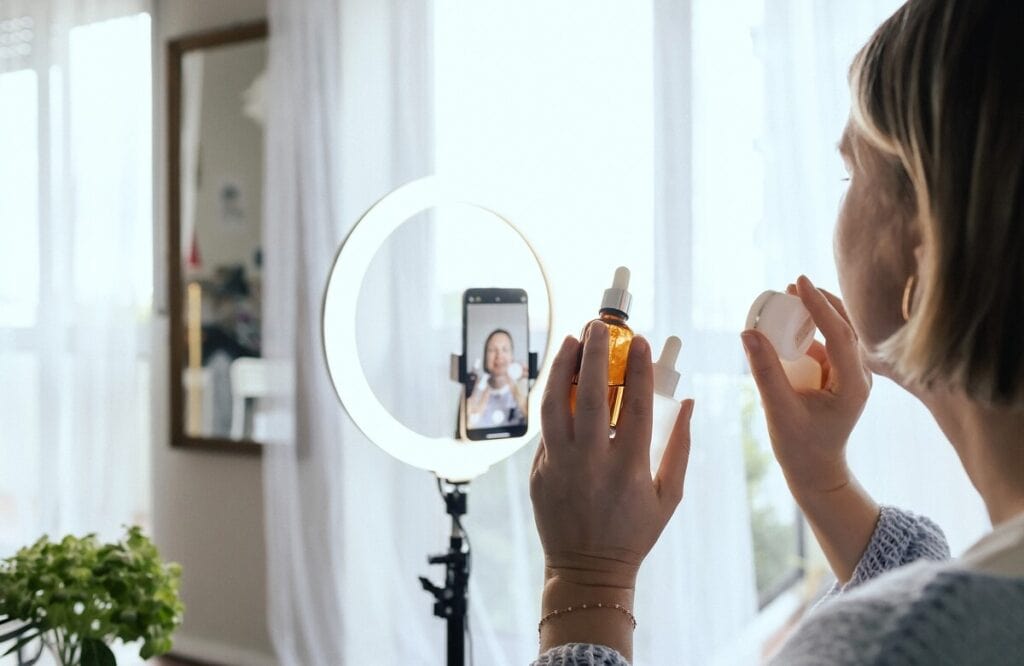
Influencer Joe is an Instagram creator in the men’s grooming space. His content promotes beard care, and his traffic comes tagged with the UTM: ?utm_source=instagram&utm_campaign=influencer_joe_beard_conditioner
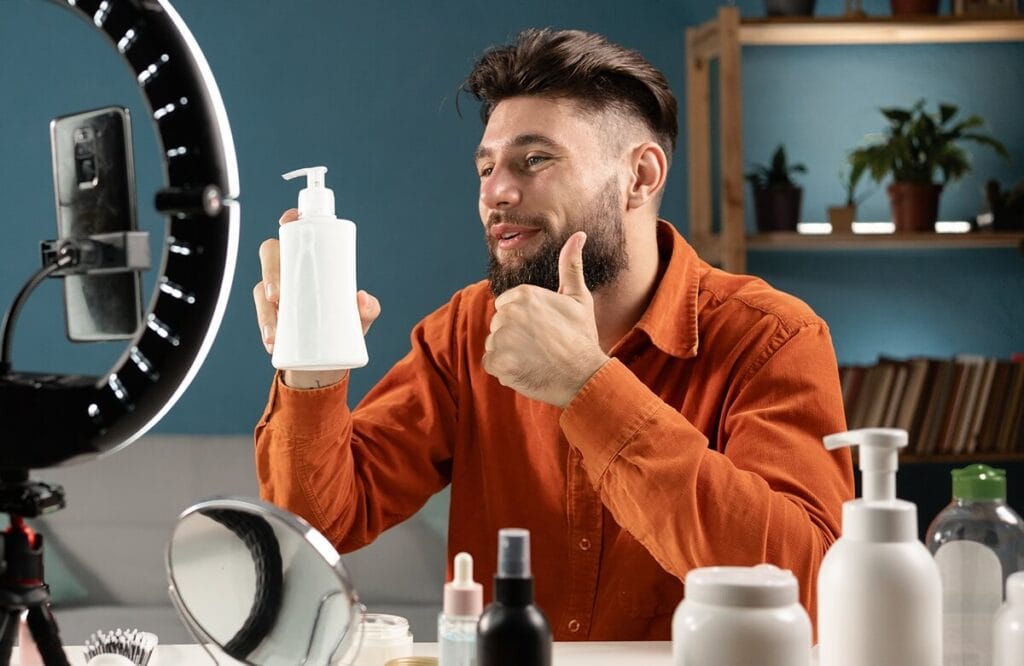
Without on-site personalization, both audiences land on the same generic homepage. Neither gets any connection to the creator’s content.
But with Loomi AI identifying and activating the intent signals from your UTM parameters, on-site experiences are personalized from the moment a session begins.
When Loomi AI detects a utm_campaign link containing influencer_jane, it triggers unique weblayers for Jane’s audience:
- A hero banner featuring anti-aging wrinkle cream
- Messaging that echoes the language from her TikTok post
- A “Jane’s Favorites” bundle offer that is exclusive to her audience
When it detects influencer_joe in the UTM, Joe’s audience gets an entirely different experience:
- A hero banner featuring beard conditioner
- Relevant product recommendations like beard oil and grooming kits
- Site copy that matches the tone of his content
The result is two completely different, highly relevant experiences — both from the same brand. Neither required engineering work. Each can be A/B tested and iterated on independently. And both can be running simultaneously alongside a dozen other influencer campaigns, each with their own UTM key and personalized journey.
Measuring Success and Proving ROAS
Personalizing for social and influencer traffic only matters if you can prove it’s working. The good news is that UTM-based personalization is inherently measurable, because every visitor from a campaign is tagged.
Success can be measured in key metrics like:
- Conversion rate on influencer traffic, segmented by UTM campaign
- Revenue per session from social sources before and after personalization
- Bounce rate on influencer landing experiences
- AOV on influencer-specific bundles vs. standard product purchases
- Repeat visit rate from influencer-acquired visitors over 30 and 90 days
Campaign testing can be as straightforward as splitting influencer traffic between a generic homepage experience and the UTM-personalized experience, and measuring incremental lift across those KPIs. Even modest improvements in conversion rate on high-volume influencer traffic translate directly into better ROAS — and a much stronger business case for growing creator partnerships.
This kind of attribution clarity helps marketing leaders justify social media budgets and invest more confidently in the creator relationships that are actually driving revenue.
Build Campaigns That Connect Every Touchpoint With Loomi AI
Social media and influencer marketing are most powerful when they’re the beginning of a journey, not the end of one. Driving traffic is only half the equation — what happens after the click determines whether that investment converts into customers, revenue, and lasting relationships.
With Loomi AI, your social campaigns translate into personalized on-site journeys in real time, ensuring every visitor gets the experience they expect — and your campaigns deliver everything they’re capable of.Ready to personalize every step of the customer experience? Schedule a personalized demo today to see Loomi AI in action.